

This is an overview of the winning project in the AgentCraft Hackathon I organized in conjunction with LangChain. The code is available in my GitHub repository.
🚀 The Birth of a Research Revolution
➡️💻Access the Full Code Here ⬅️
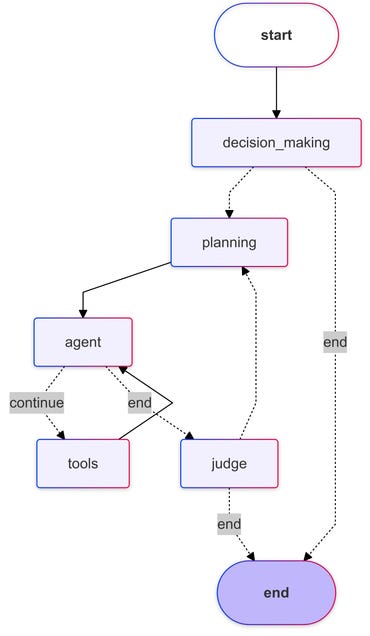
Figure 1: Overview of the Nexus AI workflow
Across research institutions worldwide, researchers face the overwhelming amount of time spent on literature reviews. Many spend a significant portion of their day searching for relevant papers, a process that can be incredibly time-consuming and tedious. Studies show that 30-50% of R&D time is consumed by literature review alone.
This universal challenge sparked the creation of Nexus AI, which recently emerged victorious in the hackathon I organized with LangChain. But this isn't just another AI tool—it represents a fundamental shift in how we approach scientific research.
YouTube 3-minute pitch of the winners (Vincenzo Fanizza and Ahmed Ali Al Ali) about this project:
Picture having an entire team of research assistants—each with perfect memory and the ability to process information at lightning speed—working seamlessly together. That's Nexus AI, but understanding how it works requires us to look deeper into its inner workings.
🛠 The Intelligence Architecture: A Symphony of Components
At its core, Nexus AI operates like a perfectly orchestrated research institution. When you submit a query, it triggers a sophisticated sequence of events that mirrors how the best research teams operate, but at an unprecedented scale and speed.
🏛️ The Executive Suite: Decision Making in Action
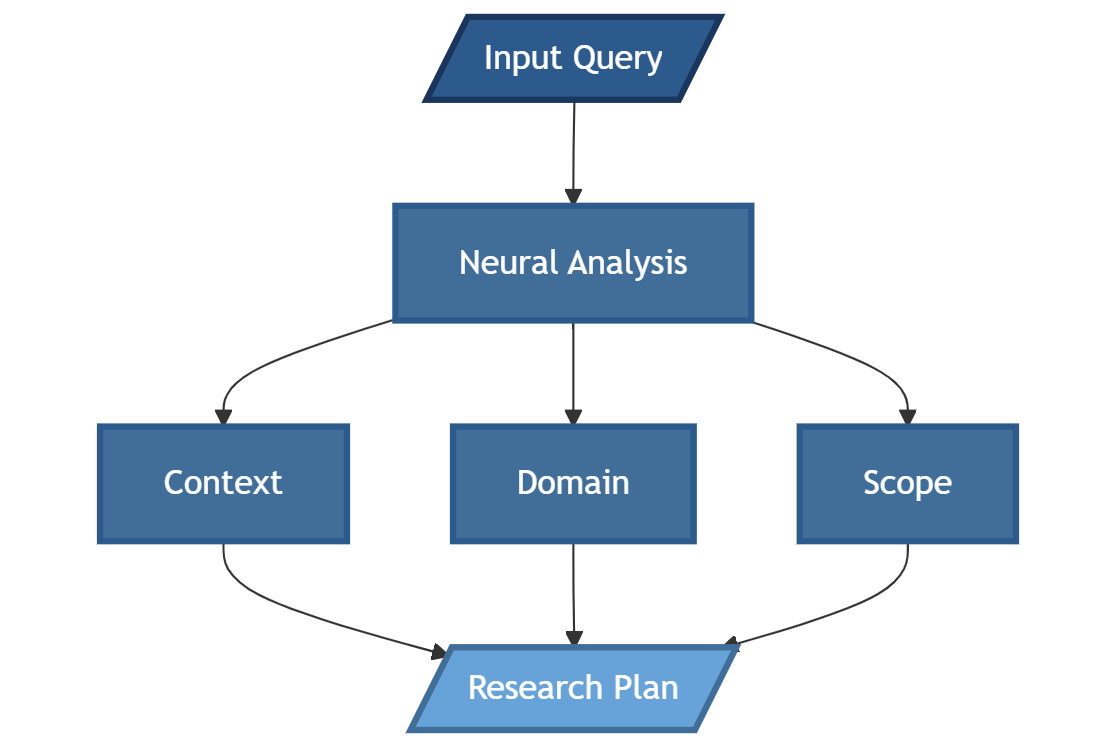
Figure 2: Decision-Making Process within Nexus AI
When a researcher submits a query—let's say about recent developments in quantum machine learning—the system's decision-making component springs into action. This isn't a simple keyword matcher; it's more like having a seasoned research director who instantly understands the depth and breadth of what's being asked.
The system analyzes the query from multiple angles: temporal aspects (how recent should the papers be?), subject matter specificity (what aspects of quantum machine learning are relevant?), and required depth of analysis. This initial assessment determines how the entire research process will unfold.
🎯 The Research Strategy Department: Planning with Precision
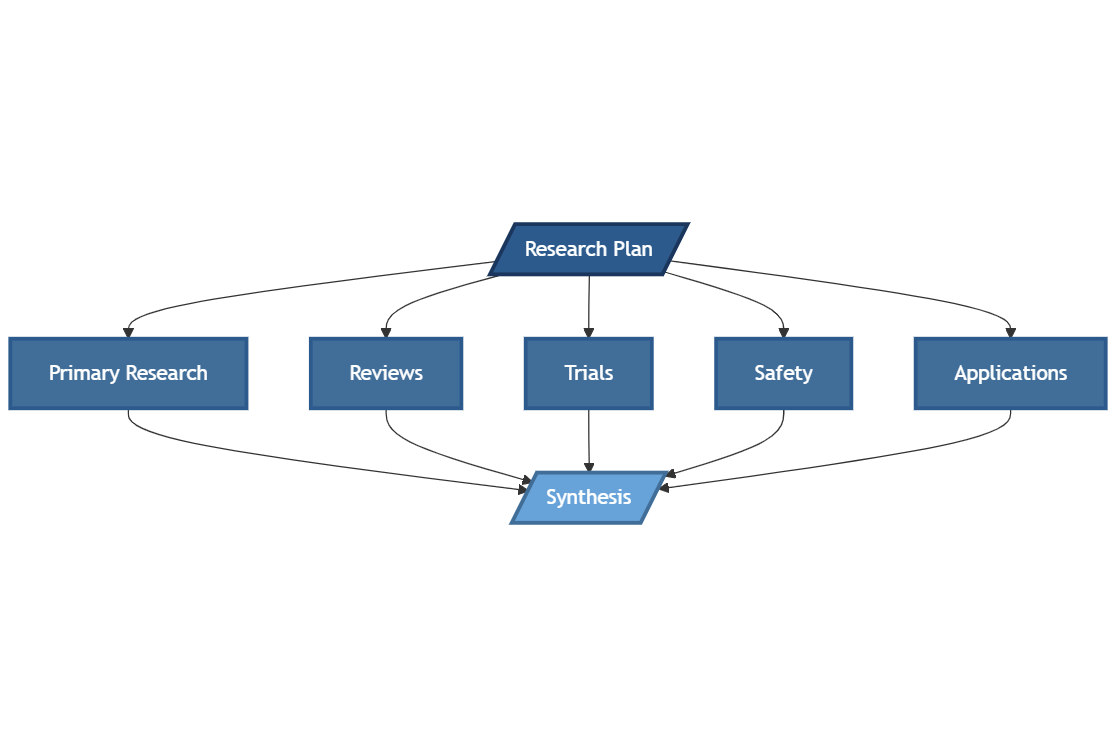
Figure 3: Research Strategy Flowchart
Once the query is understood, Nexus AI's planning component takes over. This is where the system's sophistication really shows. Let's say you're looking for papers about CRISPR applications in treating genetic disorders. The planner doesn't just search for "CRISPR" and "genetic disorders"—it develops a comprehensive research strategy.
The planning process involves understanding the hierarchy of information needed: primary research papers, review articles, clinical trials, safety protocols, and real-world applications. It's like having a master strategist who knows exactly how to break down a complex research question into manageable, logical steps.
🔍 The Information Gathering Engine: Beyond Simple Searches
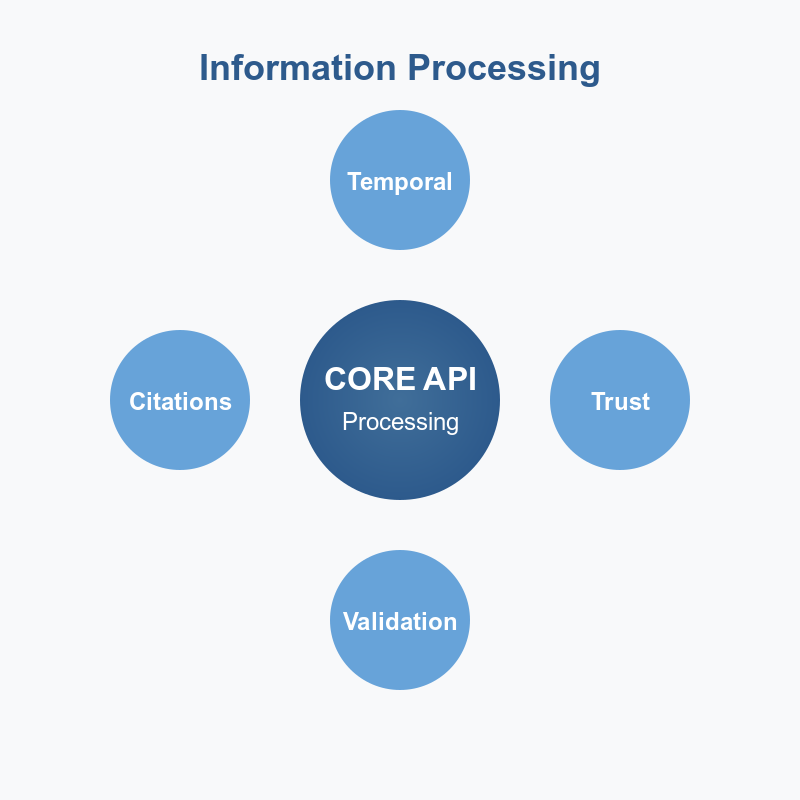
Figure 4: Multi-Dimensional Information Gathering Approach
This is where Nexus AI truly differentiates itself from conventional research tools. The system connects to CORE API, a massive database containing over 136 million papers, but it doesn't just perform simple searches. Instead, it uses a sophisticated query language that allows it to perform nuanced, multi-dimensional searches.
For example, when searching for quantum machine learning papers, it might combine:
Temporal parameters to focus on recent developments
Author credibility metrics to ensure reliable sources
Citation patterns to identify influential papers
Cross-references to verify findings
Experimental validation checks to ensure practical relevance
✅ The Quality Assurance Revolution: The Judge System
Perhaps the most innovative aspect of Nexus AI is its quality control system, affectionately known as the "judge node." This component was born from a specific challenge the creators faced: early versions of the system produced rigid, template-like responses that lacked the nuance and depth required for serious academic research.
The judge system operates like a panel of peer reviewers but at machine speed. It evaluates every piece of information against stringent criteria:
First, it verifies the relevance of each source. It's not enough for a paper to merely mention the search terms; it must meaningfully contribute to the research question at hand.
Next, it assesses the completeness of the information. Has the system captured all essential aspects of the research question? Are there gaps in the coverage that need to be addressed?
Finally, it evaluates the presentation and structure of the information. Is it organized in a way that makes sense for the specific research query? Does it provide appropriate context and connections between different papers and findings?
⚖️ The Speed-Quality Trade-off: A Deliberate Choice
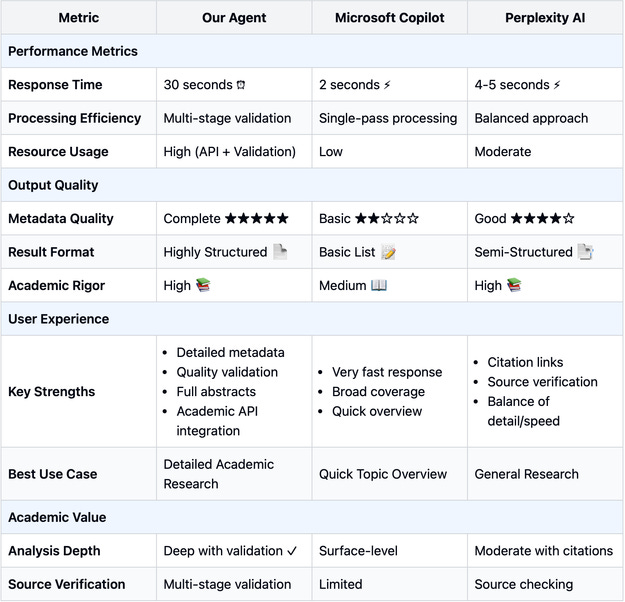
Figure 5: Metrics Comparison Between Nexus AI, Microsoft Copilot, and Perplexity
One of the most fascinating aspects of Nexus AI is its approach to the eternal trade-off between speed and quality. While competitors like Microsoft Copilot and Perplexity return results in seconds (typically 2-5 seconds), Nexus AI deliberately takes around 30 seconds to process a query, focusing on providing depth and precision.
This difference isn't a limitation—it's a deliberate design choice. It’s the difference between grabbing fast food and enjoying a carefully crafted meal at a fine dining restaurant. While the fast food might satisfy immediate hunger, the carefully prepared meal provides a superior experience with better ingredients, proper preparation, and thoughtful presentation.
In practice, this means that when Nexus AI returns results, they're not just collections of potentially relevant papers. Each result has been:
Thoroughly validated for accuracy
Cross-referenced with related research
Checked for experimental validation
Verified for source credibility
Organized in a coherent, logical structure
🌟 Real-World Impact: Transforming Research Efficiency
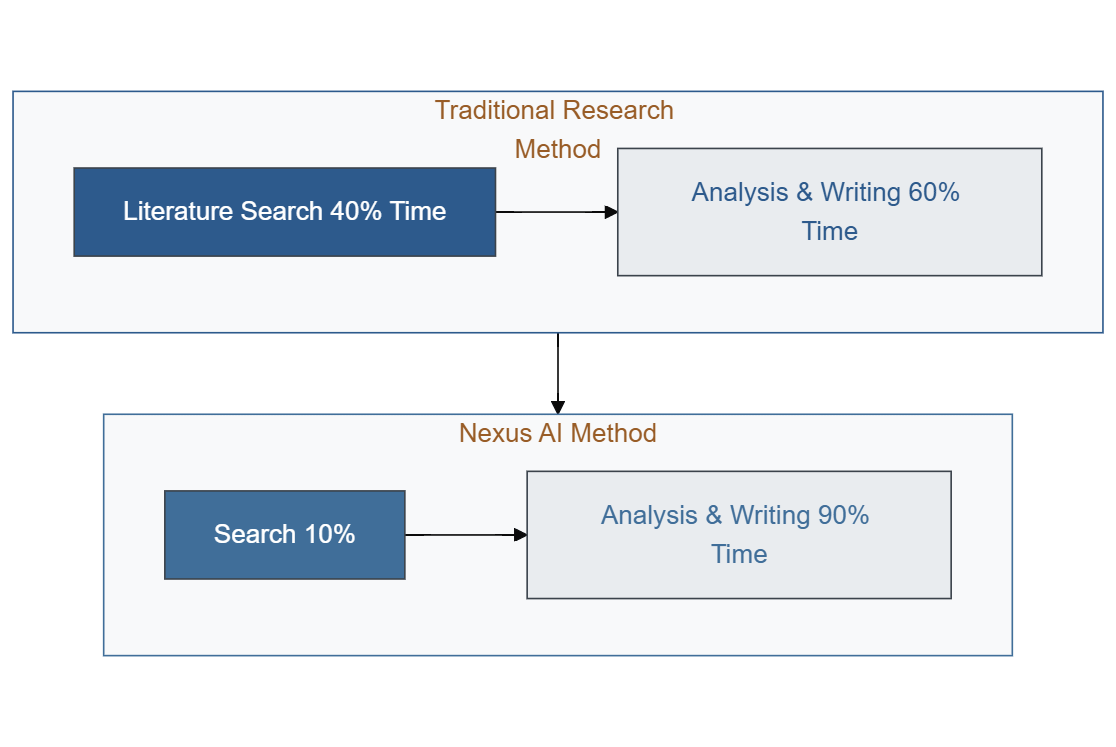
Figure 6: Comparison of Time Allocation Between Traditional Methods and Nexus AI
To understand the real-world impact of Nexus AI, let's look at a practical example shared by one of its creators. An experiment was conducted comparing traditional research methods with Nexus AI for a literature review on quantum computing applications.
Traditional Method (4-hour research session): A researcher spent approximately 40% of their time (96 minutes) just searching for and organizing papers. This involved:
Database searches across multiple platforms
Downloading and organizing PDFs
Initial reading and filtering for relevance
Note-taking and information organization
With Nexus AI (4-hour research session): The same researcher spent only about 10% of their time (24 minutes) on the initial literature search and organization. The system handled:
Comprehensive database searches
Automatic paper downloading and processing
Initial relevance assessment
Information extraction and organization
This freed up an additional 72 minutes for:
Deep analysis of the findings
Experimental design
Data analysis
Writing and publication preparation
🔬 Beyond Basic Research: Advanced Applications
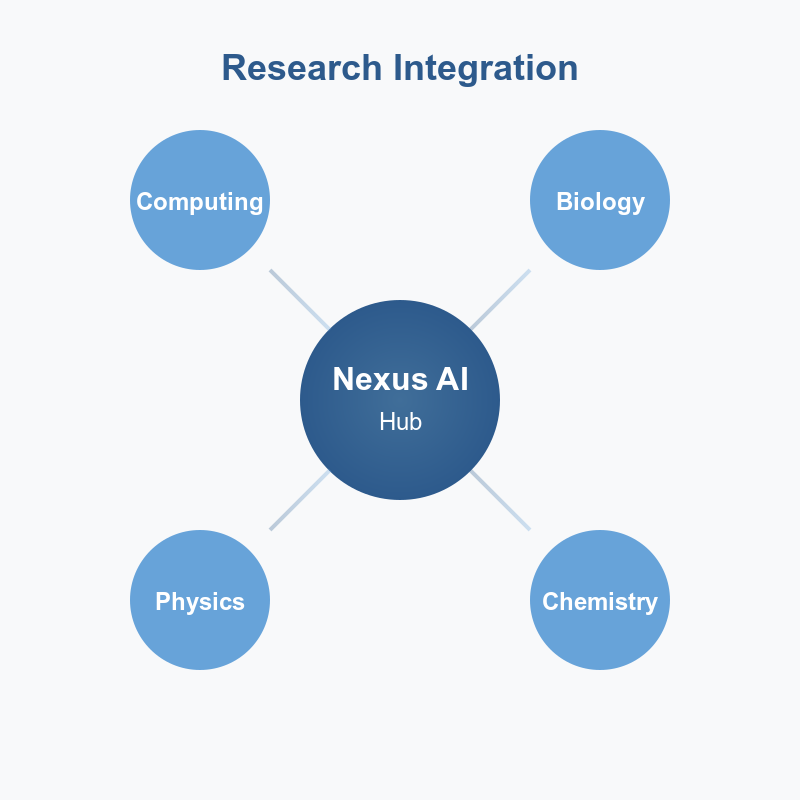
Figure 7: Cross-Disciplinary Connections Facilitated by Nexus AI
Nexus AI's capabilities extend far beyond simple paper searches. The system has shown remarkable effectiveness in several advanced research scenarios:
🌐 Cross-Disciplinary Research
One of the most challenging aspects of modern research is working across different scientific disciplines. Traditional research methods often struggle with this because different fields use different terminology and publishing conventions. Nexus AI excels here because it can understand and connect concepts across different domains.
For example, when researching applications of machine learning in molecular biology, the system can effectively bridge the gap between computer science terminology and biological concepts, making connections that might not be immediately obvious to researchers in either field.
📈 Trend Analysis and Research Direction
The system's comprehensive understanding of the research landscape allows it to identify emerging trends and promising research directions. By analyzing patterns in publication dates, citation networks, and research methodologies, it can help researchers identify:
Emerging research areas
Gaps in current knowledge
Potential collaboration opportunities
Promising new methodologies
🔄 Validation and Reproducibility
In an era where reproducibility is increasingly important in scientific research, Nexus AI helps by thoroughly documenting the research process. Every search, every paper selection, and every connection made is tracked and can be validated, making it easier for researchers to demonstrate the thoroughness of their literature review.
⚙️Current Limitations and Future Development
While Nexus AI represents a significant advance in research automation, its creators are transparent about its current limitations and actively working on improvements.
❗ Current Challenges
The system currently faces several technical limitations. It can't analyze images or graphs within papers, which can be crucial in many scientific fields. It's also limited to English-language papers, potentially missing valuable research published in other languages. Additionally, processing very large PDFs, particularly those from conferences like CVPR with 30-40 pages, can take significant time.
🗺️ The Development Roadmap
The creators have outlined an ambitious development plan that includes:
Multi-Modal Analysis Future versions will be able to understand and analyze images, graphs, and tables within papers. This will be particularly valuable in fields like computer vision, medical imaging, and data visualization.
Mathematical Processing Advanced mathematical understanding is being developed, allowing the system to process and verify complex equations and mathematical proofs. This will be especially valuable in fields like theoretical physics and advanced engineering.
Enhanced Language Capabilities Work is underway to add support for multiple languages, allowing researchers to access papers published in non-English journals. This will significantly expand the system's knowledge base and usefulness for international research.
🌍 Broader Implications for Scientific Research
Nexus AI has the potential to transform how scientific research is conducted, beyond just improving individual efficiency.
⏩ Accelerating Discovery
Nexus AI reduces the time researchers spend on literature reviews, allowing more focus on experimentation and creative work—leading to faster breakthroughs in fields like medical research and climate science.
🤝 Democratizing Access
By synthesizing vast amounts of research, Nexus AI makes cutting-edge information accessible to smaller institutions and researchers in developing countries, leveling the global scientific playing field.
📊 Enhancing Quality
With thorough literature reviews and adherence to high standards, Nexus AI can improve the quality of scientific research, which is crucial for addressing reproducibility concerns.
🔮 The Future of Research: A New Paradigm
Nexus AI represents more than just a tool—it's a glimpse into the future of scientific research. Instead of replacing human researchers, it amplifies their capabilities, allowing them to work more efficiently and effectively.
By combining sophisticated AI technologies with an understanding of researchers' needs, Nexus AI is transforming how we conduct research, making scientific discovery faster and more accessible than ever before. The future of research is here, and it's an exciting new era.
How has been the response from real users
Due to concerns that the trading platform may have been manipulating prices specifically, instances where the buy price consistently exceeded the sell price I made the decision to withdraw my remaining balance. I submitted a withdrawal request to my credit card; however, the status remained “pending review” without any communication from customer support.
After incurring significant losses and receiving no follow-up or clarification, I began to suspect that the situation may have been intentional. Consequently, I reported the matter to the appropriate authorities, who referred me to a financial expert registered with the FCA kristina hooper 24 at ----- gmail ---- com She highly recommended.
Following this, I initiated a legal dispute through the expert. Within just over a week, my full balance was successfully recovered and returned